New research affirms construction workers disproportionately affected by opioid deaths

A new study lead by MAP scientist Dr. Tara Gomes, found that construction and trades workers accounted for approximately one-third of opioid toxicity deaths in Ontario where occupation was known between 2018 and 2024.

“I think a lot of people have a picture in their mind as to the opioid toxicity crisis, who is experiencing loss of life,” Dr. Gomes told The Canadian Press, adding that in some cases there may be a link between people’s overdose use and their working conditions.

This piece was also published in the Toronto Star.

Rates of opioid toxicity deaths highest among construction and trades workers, study finds 

  • ODPRN analysis of trends in opioid toxicity deaths among Ontario workers finds impacts across sectors, with some particularly hard hit 
  • Between 2018 and 2024, those who worked in construction and trades made up approximately one third of deaths from opioid toxicity in Ontario where occupation was known 
  • People who worked in manufacturing, hospitality and retail each made up close to 10 per cent of these deaths. 

Between 2018 and 2024, those who worked in construction and trades made up approximately one third of deaths from opioid toxicity in Ontario where occupation was known, according to a report released this week by the Ontario Drug Policy Research Network (ODPRN). In addition to highlighting the toll of opioid toxicities in this sector, the report also draws attention to the impact of opioid toxicities among people across various occupations. 

“People across every walk of life and every kind of job are affected by opioid toxicity, though the circumstances behind those deaths and how we might prevent them are nuanced and often differ from one workplace to the next,” says Shaleesa Ledlie, senior research associate at the ODPRN, a research group based out of St. Michael’s Hospital and Unity Health Toronto and lead author of the study. “It’s helpful for us to understand who is most affected and how, so we can tailor approaches and services to the specific needs of different people and workplaces.”  

Read more about this in the Canadian Press 

The ODPRN team used population-based health care data from ICES, a non-profit research institute that uses health data to produce knowledge on a broad range of health care issues. They used this data to examine the trends and circumstances surrounding opioid toxicity deaths among different employment sectors in Ontario from January 1, 2018, to December 31, 2024. 

During this period, there were nearly 16,000 deaths in Ontario from opioid toxicity; approximately 3,500 of these people had an occupation included in the coroner’s report and were included in the study. The study showed that different employment sectors were affected differently by opioid toxicities, with varying rates of toxicities, trends over time and circumstances of death. 

The construction and trades sector was particularly affected, with not only the highest rates of death, but also increasing rates of death over the study period. 

“Our findings show that opioid-related deaths are not affecting all workers equally. Specifically, people working in industries such as construction, trades and mining experienced the highest rates of opioid-related deaths, with these deaths increasing considerably during the COVID-19 pandemic and remaining elevated over time,” says Tara Gomes, senior author of the report, a scientist at MAP Centre for Urban Health Solutions at St. Michael’s Hospital and ICES, a principal Investigator of the ODPRN, and a Professor (status) at the Leslie Dan Faculty of Pharmacy at the University of Toronto. “The reasons for this are likely multifaceted, including these occupations being male-dominated fields where people are at risk of injuries, undertreated pain, difficulty accessing treatment and barriers to discussing substance use.”  

Andrzej Celinski is a co-author on the study and co-founder of the Reclaim Collective, an organization of people with lived experience that provides education and consulting services related to issues such as substance use, harm reduction, and housing insecurity.  

Celinski has previously worked in the construction industry and is currently a board member for the Workers for Ethical Substance Use Policy. He says, based on his lived experience, the high rates of toxicities among workers in construction and trades was not surprising, and that workplaces could take on a greater role in harm reduction. 

“Drug use in the workplace, specifically construction and trades, doesn’t get addressed very well. It’s a workplace shaped by physically demanding work, injuries and chronic pain, and a culture where asking for help can feel risky. The workplace needs to feel safe enough for people to ask for support before things become too difficult to manage on their own and they feel they have nowhere else to turn,” he says. “Making naloxone, overdose training or awareness, and connections to care more prominent in the workplace would help to reach people who might not access other traditional services, but this isn’t happening in most cases.”  

Analysis points to need for tailored programs and services that address underlying factors 

Other occupational sectors were also significantly affected by opioid toxicities. People who worked in manufacturing, hospitality and retail each made up close to 10 per cent of deaths. 

Rates of death among people who worked in civic and government services (e.g., police, military personnel and firefighters) increased over the study period, while rates for manufacturing and transportation, warehousing and equipment operations were consistently high. The researchers note that these roles are often physically demanding, with high rates of workplace injury, chronic pain, mental health challenges and lack of support to manage transition from pain medications – all of which may increase risk. 

Conversely, rates for other sectors – notably hospitality – peaked during the first years of the COVID-19 pandemic and have since decreased. 

Approximately one third of people who died were unemployed at the time of death, although the hospitality sector had a higher proportion of unemployment at time of death. The researchers say that this may reflect the impact of temporary layoffs, particularly in the hospitality sector during the pandemic; it may also suggest that loss of employment, and transitions from the workforce because of injury, pain or mental health challenges may increase people’s risk of substance-related harm. 

While most deaths were determined to be accidental, three sectors – civic and government services, healthcare, and administrative, financial and support services – had higher proportions of deaths by suicide. 

“Taken together, these findings reinforce the need for programs and services that are tailored to the diverse needs of people at risk of opioid-related harm,” says Gomes “While workplace-based prevention, education and support remain important, with most opioid-related deaths occurring in people’s homes, efforts must also extend beyond the workplace and include reducing stigma surrounding substance use and improving access to treatment and harm reduction services to better support people across the settings in which they live and work.” 

For example, underlying structural factors such as housing instability, income insecurity, and insufficient access to pain management and mental health care can all increase the risk of substance-related harm. As a result, many different harm reduction and treatment approaches are needed to keep people safe and address the underlying pain, trauma or mental challenges people experience. 

“Toxicity deaths are not happening in a vacuum or to a specific group of people. Not all overdoses are happening among folks who are unhoused or in public where people can see. Oftentimes, this is happening behind closed doors and in people’s houses, often when they are alone, so it’s invisible to the population,” says Celinski. 

“We need to look beyond individual behavior and address the conditions that shape folks’ ability to access support.” 

Adapted from an article by Eileen Hoftyzer, writer at the Leslie Dan Faculty of Pharmacy at University of Toronto 

Photos courtesy of University of Toronto, Leslie Dan Faculty of Pharmacy 

Access to oral swab HIV self-testing kits expanded as part of national program

MAP scientist Dr. Sean Rourke spoke with The Globe and Mail about the launch of I’m Ready 2.0, a redesigned national program bringing free HIV self-testing and connections to care closer to people across Canada.

People across the country will now be able to order tests free of charge through the confidential program. Users of I’m Ready will also now be able to connect directly to licensed clinicians at Freddie and at Felix, two virtual sexual health services that provide HIV prevention and care.

“If we just expect people to walk in the door and get tested, there’s a certain percentage of people in Canada that will never do that, so this is an option that will actually reach them,” said Dr. Rourke.

REACH Nexus at St. Michael’s Hospital launches revamped I’m Ready 2.0, expanding free HIV self-testing access in Canada

By Andrew Russell

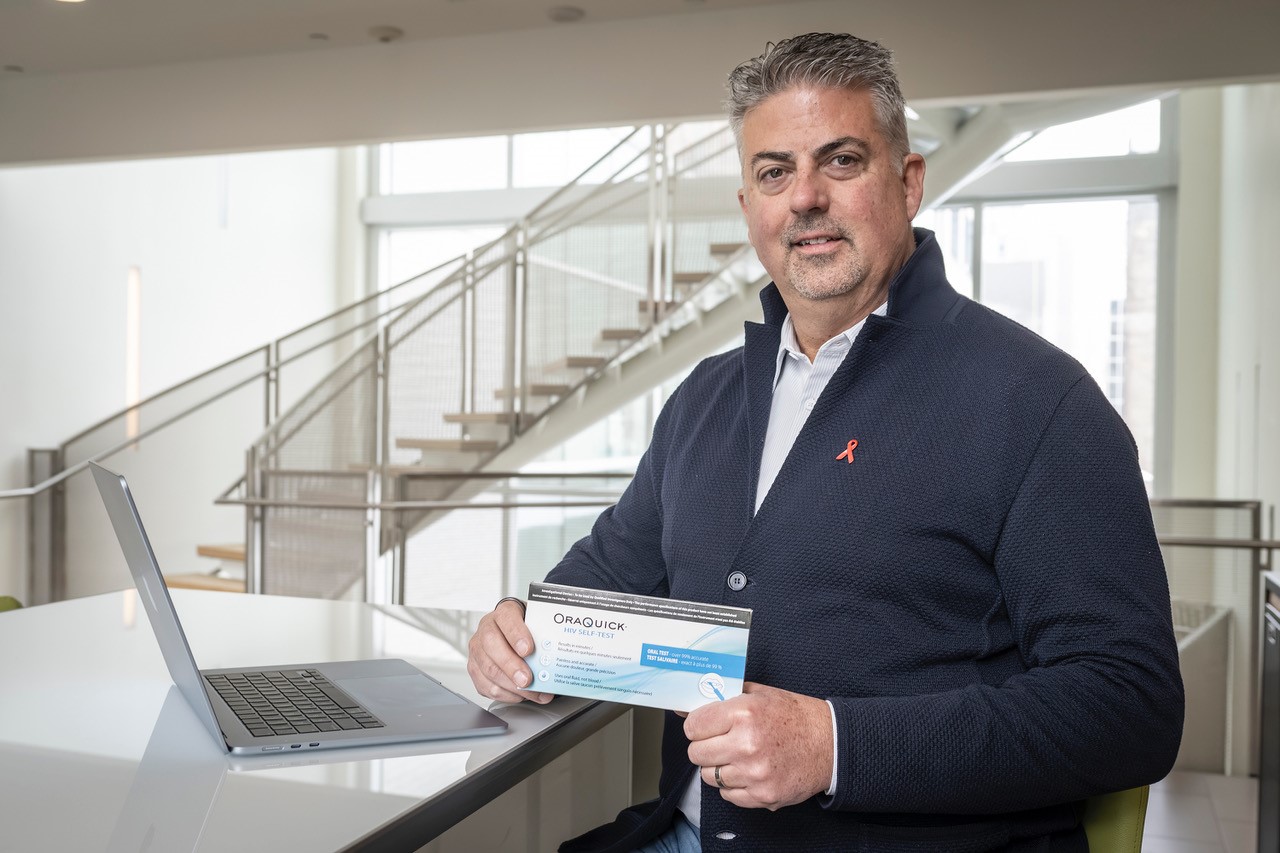
Toronto, ON  In a significant step toward expanding equitable access to HIV care in Canada, REACH Nexus at St. Michael’s Hospital MAP Centre for Urban Health Solutions has launched I’m Ready 2.0, a redesigned national program bringing free HIV self-testing and care connections directly to people wherever they are.

Available through a newly updated mobile app and website, I’m Ready 2.0 provides a simple, confidential, and user-friendly way for people to take control of their sexual health — no matter where they live. The platform is designed to reduce barriers to HIV testing by combining convenience, privacy, and direct access to trusted health resources.

The upgraded platform features a refreshed interface with improved navigation, making it easier for users to learn about HIV, order self-test kits, and connect with support services.

“Early diagnosis is essential to improving health outcomes and reducing HIV transmission, but too many people in Canada still face barriers to testing,” said Dr. Sean B. Rourke, Director of REACH Nexus at the MAP Centre for Urban Health Solutions at St. Michael’s Hospital. “I’m Ready2.0 centres people in care by making HIV self-testing and sexual health services more accessible, convenient, and empowering—ensuring access to the right tools and support, wherever and whenever they’re needed.”

Canadians can now access two testing options directly through the platform: the OraQuick™ HIV Self-Test, Canada’s first oral swab HIVself-test, and the INSTI® HIV Self-Test.

The addition of multiple testing options is intended to better reflect diverse user preferences and needs, and to further democratize self-testing in Canada.

“I’m Ready 2.0 reflects the strength of Ancestral Science by bringing HIV testing, prevention, and care closer to the people. When services are culturally safe and community-led, Indigenous Peoples can access care with dignity, trust, and connection to the knowledge that has sustained our Nations for generations,” said Okimâw Margaret Kîsikâw Piyêsîs, CEO, CAAN Communities, Alliances & Networks.

“The launch of I’m Ready 2.0 is about more than expanding access to HIV self-testing—it is about bringing dignity, choice, and care directly to the people who have too often been left behind,” said Nonty Nkala, a research and outreach co-ordinator at Women’s Health in Women’s Hands Community Health Centre. “We know that HIV does not exist in isolation; it is shaped by systemic inequities and the social determinants of health that continue to disproportionately impact our communities.

“By meeting people where they are with free HIV self-testing kits and seamless connections to care, we are removing barriers, building trust, and empowering individuals to take control of their health on their own terms. This is what health equity in action looks like—community-led, person-centered, and committed to ensuring that everyone can know their status and access the care they deserve.”

Beyond testing, I’m Ready strengthens pathways to care by connecting users to reliable, evidence-based information on HIV prevention and treatment. The platform also connects users directly to licensed clinicians through Freddie and Felix, making it easier to access confidential, evidence-based care for HIV prevention and ongoing sexual health support.

“PrEP is one of the most effective ways to prevent HIV, yet far too many Canadians still struggle to access it,” said Dr. Caley Shukalek, Freddie’s Chief Medical Officer.

“We’re excited to be part of I’m Ready which is helping to reimagine how people connect to HIV testing and now HIV prevention—making access faster, simpler, and more equitable so more people can get the care they need without unnecessary delays.”

Through Freddie and Felix, users can get real-time guidance on starting and staying on PrEP, understanding HIV treatment options, and accessing ongoing sexual health care—helping bridge the gap between self-testing and timely clinical support.

“Knowing your HIV status is one of the most important first steps someone can take for their health,” said Dr. Kelly Anderson, Chief Medical Officer at Felix. “What comes next matters just as much. For years, Felix has helped Canadians access licensed clinicians for PrEP and ongoing sexual health care. I’m Ready 2.0 helps connect people from testing to timely clinical care, making it easier to get the support that’s right for them.”

Since its initial launch in 2021, the I’m Ready program has reached more than 17,000 people across Canada. Between June 2021 and June2026, thousands of users have engaged with the service, including individuals testing for the first time, people living in rural and remote regions, and those who have historically faced barriers or felt disconnected from traditional healthcare systems.

Reaching people living with undiagnosed HIV has been a cornerstone of the program. Through expanded access to testing, hundreds of people have learned their HIV status and been connected to care and support. Early diagnosis opens the door to life-saving treatment, empowering people to live long, healthy, and fulfilling lives.

I’m Ready gratefully acknowledges the Canadian Institutes of Health Research and the Public Health Agency of Canada for funding this program. We also thank the Canadian Foundation for AIDS Research for its generous support and continued partnership in expanding access to HIV self-testing, helping more people learn their status, and connecting those living with HIV to care and treatment.

To learn more, go to https://www.readytoknow.ca/ or download the I’m Ready, Test app. in the Apple or Google Play stores.

About REACH Nexus at MAP Centre for Urban Health Solutions
REACH Nexus is a national research group focused on addressing HIV, Hepatitis C, and other sexually transmitted and blood-borne infections (STBBIs) in Canada. Based at the MAP Centre for Urban Health Solutions at St. Michael’s Hospital in Toronto, REACH works to reach the undiagnosed, expand testing options, connect people to care, improve access to prevention (PrEP and PEP),and reduce stigma. Learn more at www.reachnexus.ca

Media contact
Andrew Russell
Senior Communications Specialist
REACH Nexus – MAP Centre for Urban Health Solutions
andrew.russell@unityhealth.to
416-268-7642

In Memoriam: Fred Ellerington

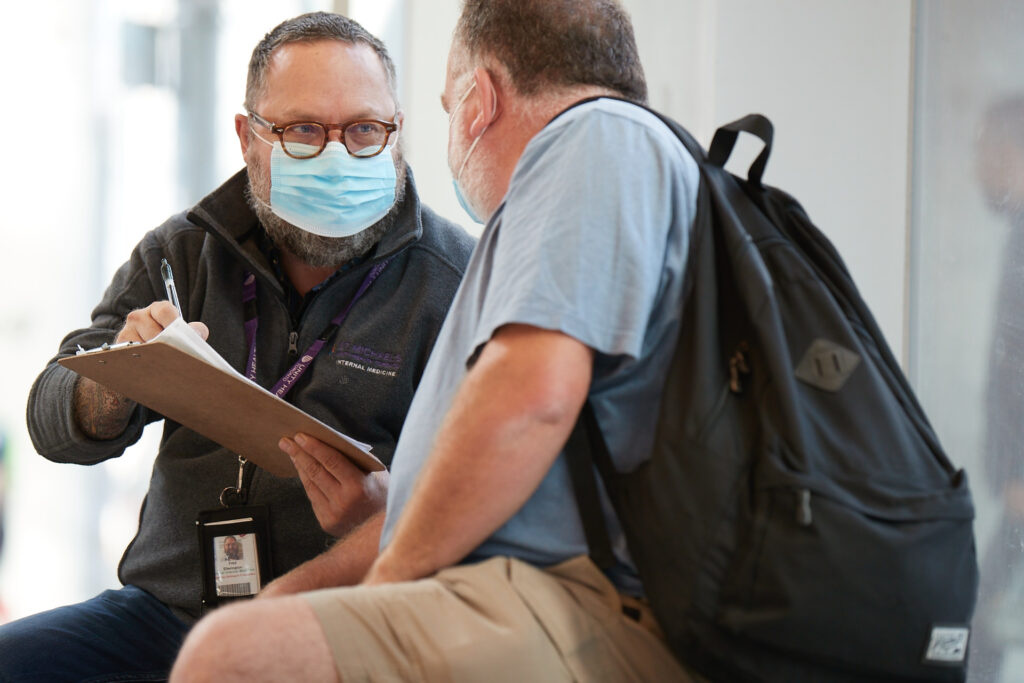
It is with profound sadness that we share the passing of our friend and colleague Fred Ellerington, Homeless Outreach Counsellor at St. Michael’s Hospital.

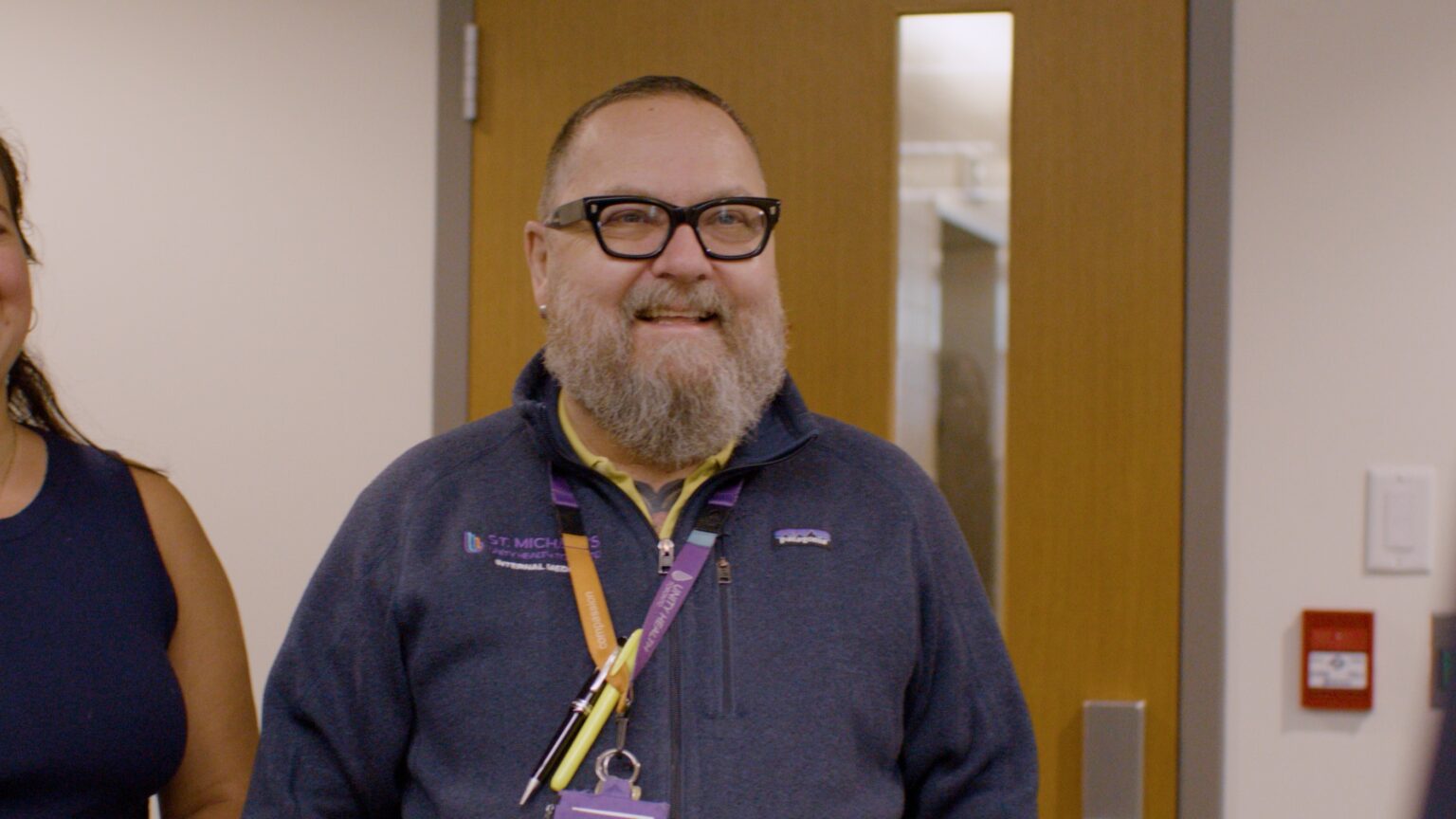
With his big smile, Medicine sweater and treasured Harley Davidson, Fred was a familiar and beloved presence in the hospital and across the city. He was a tireless advocate for people experiencing homelessness, acting daily on his commitment to providing every patient with dignity and respect. Through his work, he helped bridge gaps in care, built trusting relationships and connected patients with the supports they needed to move forward. Fred was the first Homeless Outreach Counsellor for the Navigator program and was very proud to be a part of the team. He worked to establish the role and program first at St. Michael’s, and helped it grow across Unity Health and to other hospitals in Vancouver, Montreal and New Brunswick. He was excited that it will soon be launching in his hometown of London, ON.

Known throughout Unity Health and the broader community, Fred was admired not only for his expertise, but for his warmth, charisma and genuine kindness. He had a remarkable ability to make people feel seen and valued, whether they were patients, colleagues or community partners. His presence brought people together and his passion inspired those fortunate enough to work alongside him.

Fred’s warmth, generosity and dedication will be deeply missed. We are grateful for the legacy of compassion he leaves behind and extend our heartfelt condolences to his family, friends, colleagues, clients and all who had the privilege of knowing him. 

A service is being planned by Fred’s family and friends. More details will be provided as they are available.

Overdose calls to paramedics on the rise in several Ontario cities, CBC analysis shows

Research by Dr. Tara Gomes is referenced in this CBC article highlighting that non-fatal opioid overdose paramedic calls surged across four Ontario cities in early 2026, nearly tripling in Hamilton and more than doubling in Toronto compared to the same period last year.

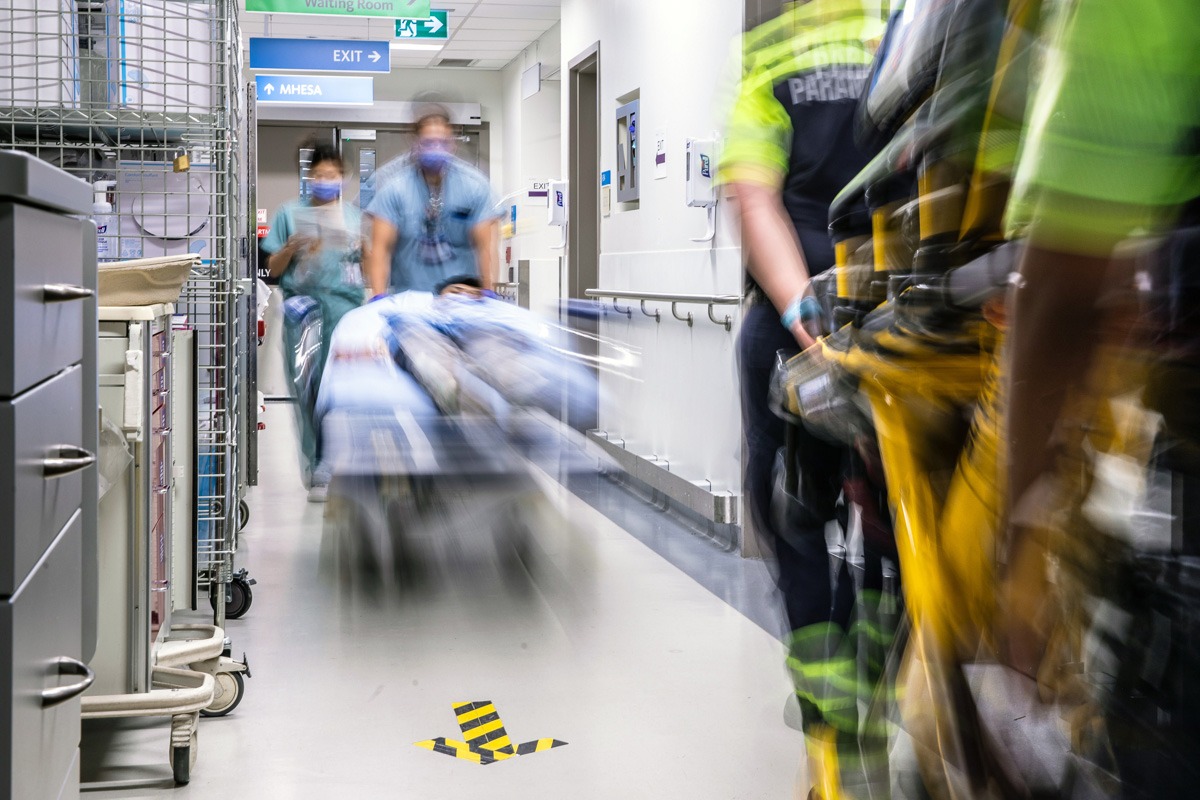
Researchers and frontline workers attribute this sharp rise to an increasingly toxic drug supply mixed with the widespread closure of public supervised consumption sites across the province.