The number of older Ontarians living with opioid use disorder has more than doubled over the past decade, according to new research that highlights how the country is not currently equipped to support this growing population. MAP scientist Dr. Tara Gomes, who co-lead the research, spoke with The Globe and Mail about the findings.
MAP scientist Dr. Tara Gomes spoke with the Toronto Star about new research that found that number of Ontarians aged 55 and older with healthcare interactions related to opioid use disorder (OUD) has more than doubled in Ontario between 2017 and 2025.
The number of Ontarians aged 55 and older with healthcare interactions related to opioid use disorder (OUD) has more than doubled in Ontario between 2017 and 2025, according to a new report published by the Ontario Drug Policy Research Network (ODPRN), based at St. Michael’s Hospital.
Key findings
The number of older adults engaging with the healthcare system about OUD grew from 7,116 people in 2017 to 15,231 people in 2025. In contrast, the number of older adults with OUD living in Long-Term Care (LTC) remained low (<130) and stable over the same period.
Use of opioid agonist treatment (OAT) more than tripled between 2013 and 2025, rising from 2,661 to 13,370 recipients.
Opioid toxicity death rates increased substantially between 2013 and 2024, peaking during the COVID-19 pandemic — with over 1,000 older adults dying of an opioid toxicity between 2023-24 alone.
The unregulated drug supply played a growing role in deaths, with fentanyl’s involvement in opioid toxicity deaths doubling from 31 per cent of deaths in 2017 to 62 per cent 2024.
There were 1,087 opioid toxicity deaths among older adults in 2023 and 2024, the equivalent of at least one death every day. Of these, 985 deaths could be linked to other healthcare records. Among these deaths:
Nearly 75 per cent occurred among people aged 55 to 64.
About 80 per cent occurred in a private residence, and only one in five occurred with someone present who could intervene.
More than half lived with a pain condition in the years before they died.
Only one-third involved prescribed opioids only, although this increased with age.
A quarter had a healthcare visit in the week before death, and 1 in 4 had received home care in the year before death
How they did it
Tara Gomes, PhD and Bisola Hamzat, MSc authored the report in collaboration with community partners and people with lived experience, drawing on population-based health-care data from ICES.
They used several datasets from ICES to identify older adults with OUD and opioid related deaths, including hospital and home care databases, coroners’ death investigations, and pharmacy dispensing data.
Why it matters
As the population living with OUD ages, healthcare and social services need to be prepared to provide care that addresses the complex care needs of this population, expertise that the system may currently lack.
Only 38 per cent of older adults who died of an opioid toxicity had engaged with the healthcare system around OUD in the past five years, below the more than 50 per cent seen in the general provincial population. Despite this, 1 in 4 had some contact with the healthcare system in the week before death.
Hamzat says, “What stands out is how many of older adults weren’t in contact with the health system for opioid use disorder before they died. With many older adults disengaged from medical care for substance use, responses that integrate both harm reduction, treatment services, and social supports that are accessible for a population with age-related needs remain imperative”.
Despite rapidly growing OUD among older adults, very few people were in LTC, and this didn’t change over time. In contrast, home care services in the year before an opioid toxicity death were higher, suggesting more community-based support in this population.
“Older adults with opioid use disorder aren’t in long-term care, they’re at home, often relying on home care services right up until a fatal overdose.” Says Gomes. “However, these sectors are often under-equipped to provide the best possible care to this population. Both the long-term care and home care sectors need to build the staff expertise and flexible, accessible supports that consider mobility issues, transportation barriers, disability, and pain management needs to actually reach and adequately support this growing and often invisible population”
The report recommends stronger education and awareness for older adults, their doctors, caregivers and families on recognizing and discussing substance use and knowing how to respond to an opioid toxicity.
Gomes adds, “I hope this report helps start a broader discussion about how our healthcare system can better identify and support older adults at risk of drug-related harms at critical points in their care, through enhanced screening and stronger expertise in substance use care”
What’s next
The findings highlight the urgency for health and social service systems to prepare now for an older population with OUD that will keep growing. That means building tailored, age-sensitive programs and supports, using existing points of contact to identify risk earlier, and designing supports that are accessible to older adults.
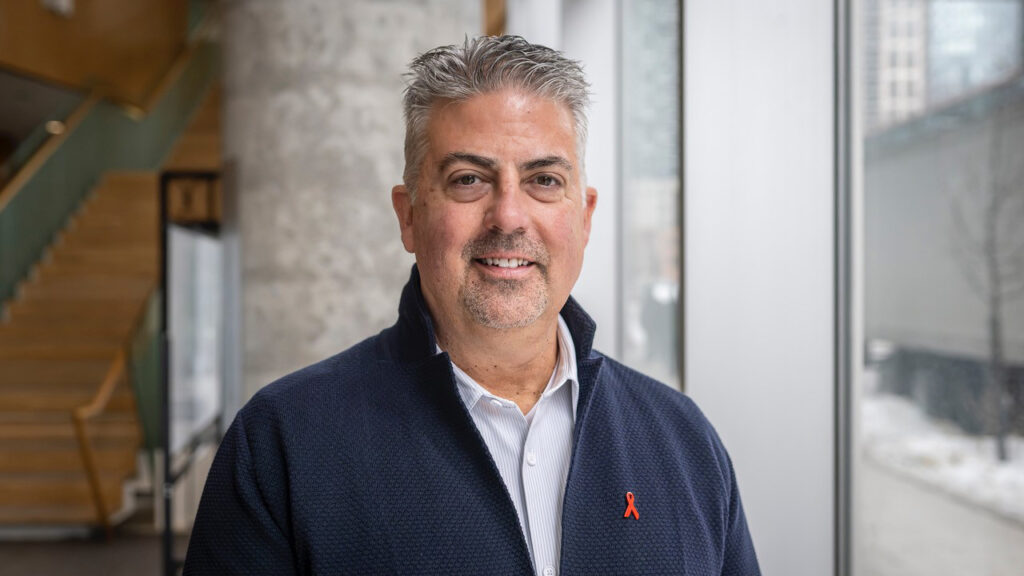
Dr. Sean B. Rourke, director of REACH Nexus at St. Michael’s Hospital’s MAP Centre For Urban Health Solutions helped secure the approval for both HIV self-tests available in Canada. (Photo: Eduardo Lima/Canadian Press)
The federal government has announced $5 million in funding for HIV self-testing, prevention and support services, with St. Michael’s hospital playing an important role in distributing 100,000 HIV self-tests to people who need them.
The announcement was made Thursday in Winnipeg by Dr. Joss Reimer, Canada’s chief public health officer, as Manitoba responds to HIV rates that are three times higher than the national average and has declared a public health emergency.
Dr. Reimer said advances in HIV treatment mean people living with HIV can live long, healthy lives, but knowing your HIV status remains the essential first step to accessing treatment, care and support.
“By expanding access to HIV self-test kits and community-based peer support, this investment will help more people receive an earlier diagnosis and connect with the treatment and prevention services that meet their needs—particularly in communities most affected by HIV,” she said.
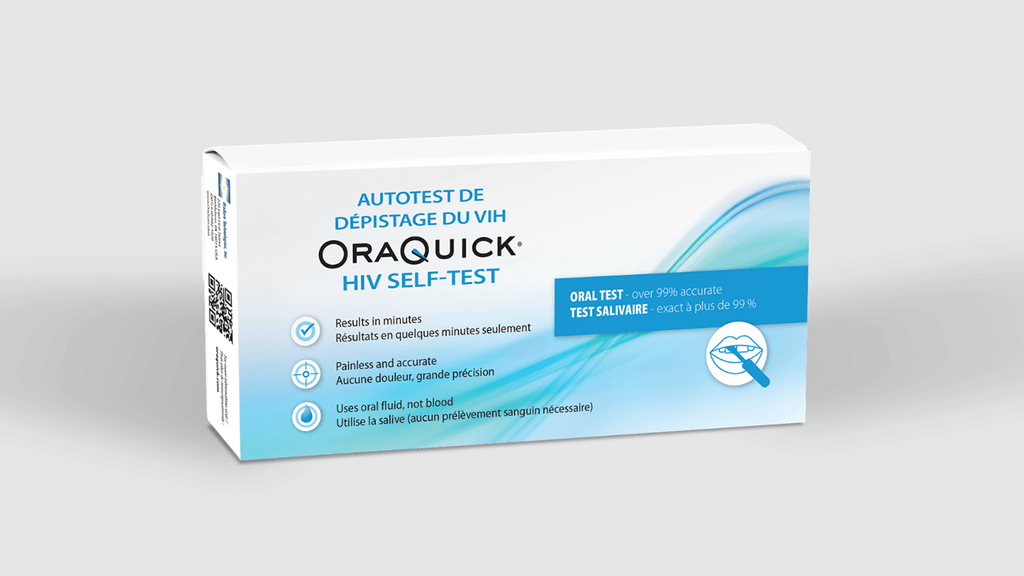
Of the $5 million announced Thursday, $2 million will be used to purchase 100,000 OraQuick HIV self-test kits. OraQuick is Canada’s first approved oral-fluid HIV self-test. REACH Nexus, a research organization at St. Michael’s Hospital’s MAP Centre for Urban Health Solutions, led the clinical trials that helped get Health Canada’s approval of the test, announced earlier this year.
St. Michael’s Hospital is the exclusive distributor of OraQuick in Canada and will work with the federal and Manitoba governments and frontline agencies to ensure the self-tests reach people and communities that face the greatest barriers to testing.
Dr. Sean B. Rourke, director of REACH Nexus, called the new funding a “meaningful advancement in Canada’s efforts to end HIV/AIDS.” He said expanding access to HIV self-testing and peer-based support is particularly important for communities disproportionately affected by HIV, including Indigenous, Black and other racialized populations.
“Real health innovation means meeting people where they are and removing the barriers that stand between them and care,” said Dr. Rourke. “By bringing testing, prevention and care directly to people, we can reach communities too often left behind by traditional healthcare—and give everyone the opportunity to know their status, protect their health and access the care they need.”
The OraQuick HIV Self-Test uses a simple oral-fluid swab and delivers results in 20 minutes with over 99% accuracy. (Supplied photo)
Dr. Rourke and his team at REACH Nexus also led the clinical trials that helped Canada’s first HIV self-test receive regulatory approval in 2020. In 2021, during the COVID-19 pandemic, Rourke launched I’m Ready, a national HIV self-testing program that has since distributed more than 36,000 free HIV self-test kits across Canada and connected thousands of people to prevention, treatment and care.
He also previously led Community Link, a federally funded program that expanded access to HIV self-testing across Canada. Together, these initiatives have helped make low-barrier HIV self-testing available to more than 100,000 people.
The remaining $3 million in new funding will support peer workers, who will help connect people to testing, prevention and treatment services.
Shohan Illsley, executive director of the Manitoba Harm Reduction Network, said significant barriers continue to prevent people from accessing HIV testing and treatment.
“Expanding access to HIV self-tests and peer support services will help improve access to low-barrier testing, particularly in rural, remote and northern communities where stigma can have a significant impact on access to testing and linkage to HIV care,” she said.
The federal government says 2,300 new HIV diagnoses were reported in Canada in 2024, while an estimated 7,000 people are living with HIV without knowing their status.