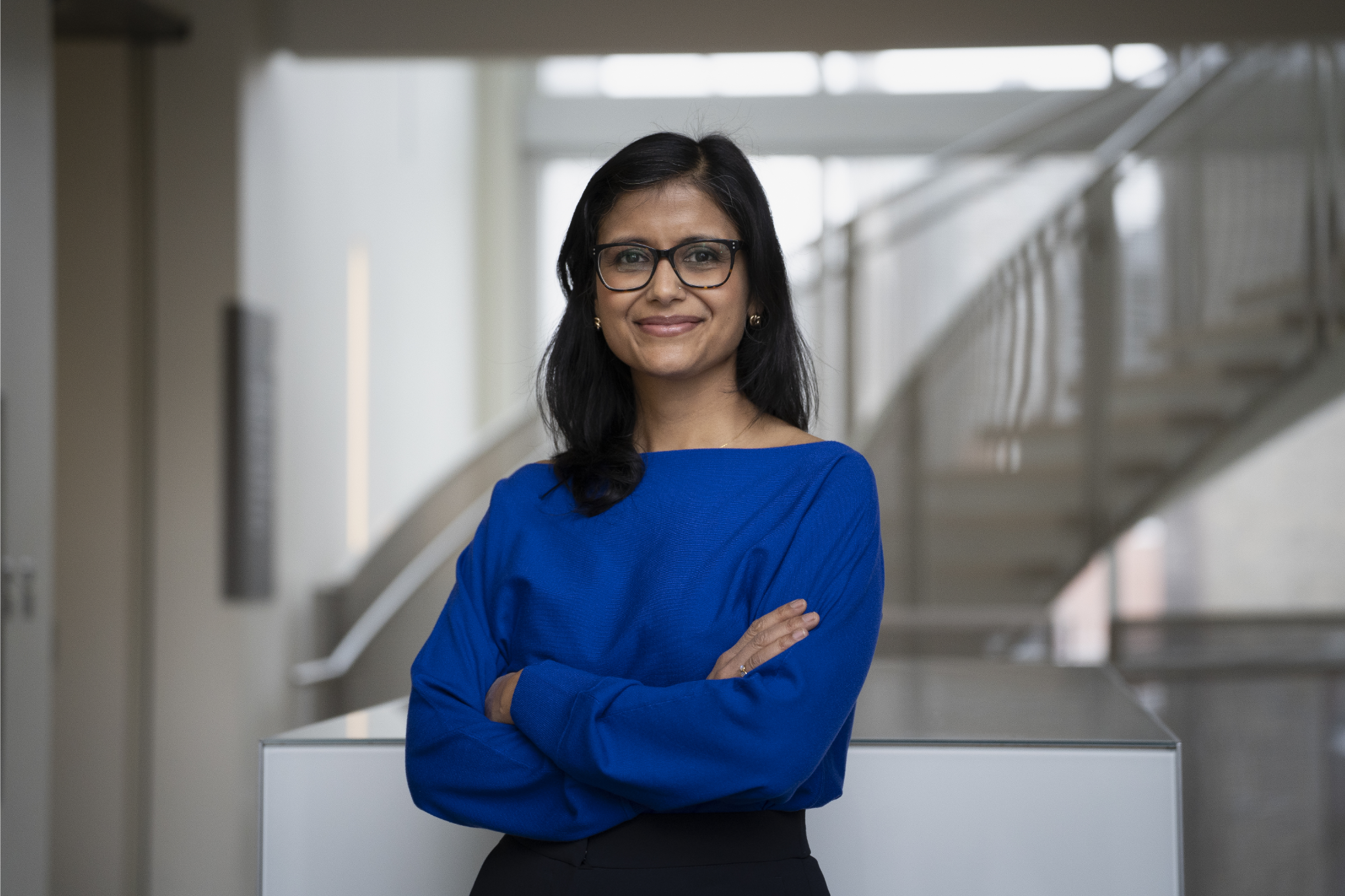
Dr. Archna Gupta awarded CIHR Catalyst Grant to improve early pregnancy loss care

By Dr. Archna Gupta, scientist with MAP’s Upstream Lab

Why better miscarriage care matters — and what we’re building to help

As a family physician, family medicine obstetrics provider, and researcher, I care for people through many important stages of pregnancy, birth, and the postpartum period. That work is deeply meaningful to me. But over the years, I have also seen a serious gap in care for people who experience miscarriage — a common event that is still too often met with confusion, long waits, and too little support.

Early pregnancy loss, also known as miscarriage, affects up to one in four pregnancies in Canada, most often in the first trimester. Yet many individuals and families still struggle to get timely information, appropriate follow-up, and compassionate care when they need it most. In many cases, people turn to emergency departments for help, even though those settings are not designed to provide the kind of specialized, continuous support that miscarriage care often requires. The result can be repeated visits, unclear next steps, and missed opportunities to support both physical and emotional well-being.

That is why I am so excited to share that my team and I have received a Canadian Institutes of Health Research (CIHR) Catalyst Grant“Transforming Early Pregnancy Loss Care: Co-Designing Patient-Centred Solutions”, to help improve care for people experiencing early pregnancy loss. The grant supports work that brings together patients, health-care providers, and community partners to rethink how care is delivered and how support can be made easier to access.

Our project will explore what people go through when they seek care after a miscarriage, where the biggest barriers exist, and what a better system could look like. We will work with people with lived experience, healthcare providers, and health system leaders to map patient journeys, identify gaps in current services, and learn from promising care models in Canada and beyond. We will also co-create a digital information platform, connected with the Pregnancy and Infant Loss (PAIL) Network, so people can more easily find clear guidance on what is happening, when to seek medical care, and where to turn for support.

At the heart of this work is a simple goal: no one should have to face early pregnancy loss feeling alone, unsupported, or unsure where to go. By building care with patients and communities — not just for them — we hope to create practical tools and services that are more compassionate, more accessible, and better able to meet people’s real needs across Ontario and across Canada.

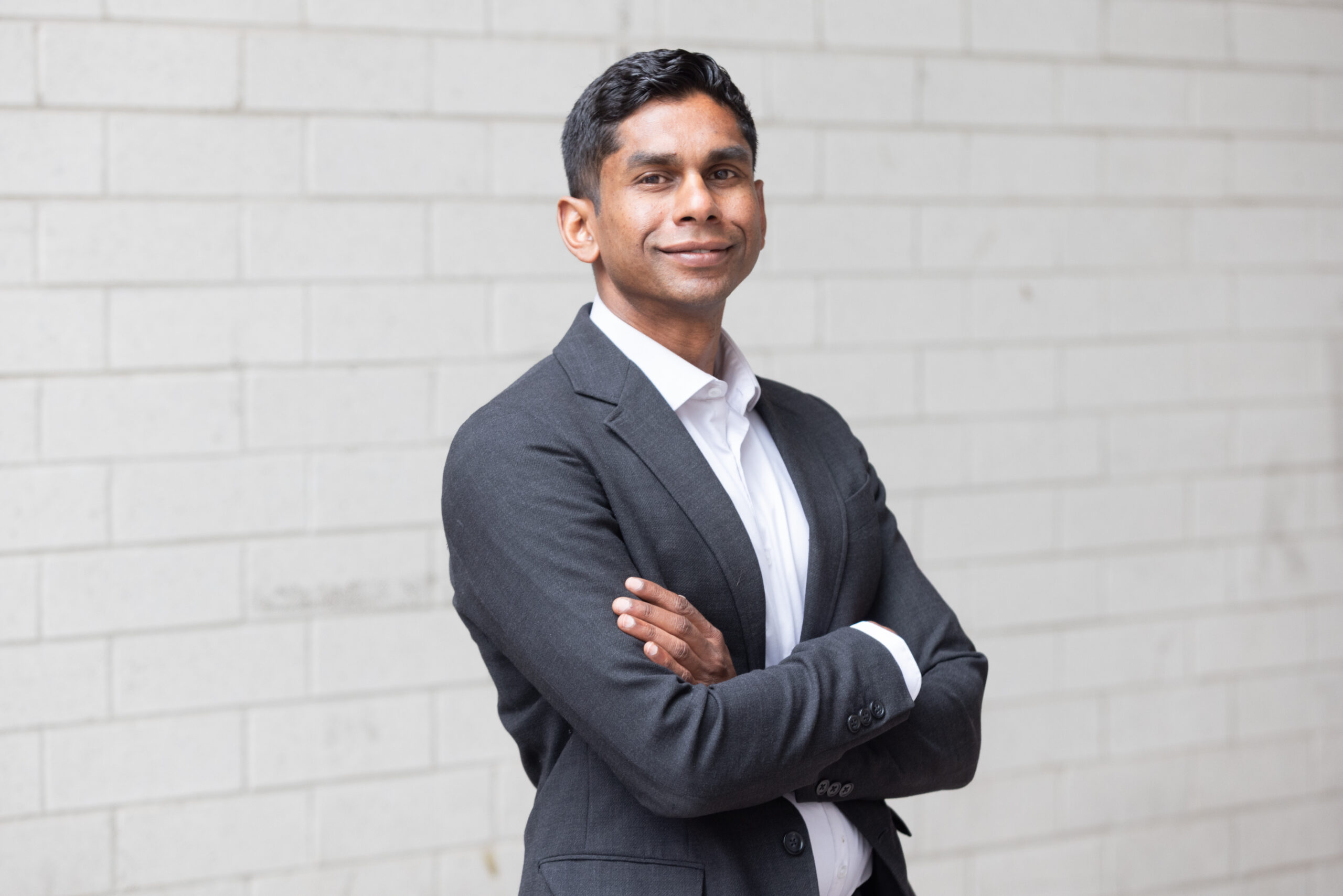
Dr. Nav Persaud named Director of MAP Centre for Urban Health Solutions

Dr. Nav Persaud has been named the new Director of St. Michael’s Hospital’s MAP Centre for Urban Health Solutions, effective July 1. A highly respected scientist, family physician and champion for justice, Dr. Persaud has dedicated his career to ensuring that everyone in Canada can afford the food and medicines that they need.

“Dr. Persaud is a brilliant, creative and principled researcher who has made extraordinary contributions to the field in Canada and internationally,” said Dr. Ori Rotstein, Vice President of Research and Innovation, St. Michael’s Hospital. “I have great confidence in his leadership and look forward to seeing MAP continue to thrive under his direction.”

Under Dr. Persaud’s leadership, MAP will continue to expand its national, solutions-focused research programs to address some of Canada’s toughest public health challenges including homelessness, inequitable access to healthcare and the prevention of opioid-related harms. MAP is Canada’s largest research centre focused on health equity and the social determinants of health.

“I am deeply grateful and honoured to have this opportunity to support MAP staff and scientists as Director,” said Dr. Persaud. “Together we can build on MAP’s extraordinary legacy while striving for even greater national and global impact. We’ll work responsibly with our partners to upend the status quo by challenging systems and structures that deny people the basics needed to be healthy. Where stigma and discrimination imperil, MAP champions compassionate care and upholds the fundamental right to health for all.”

As Canada Research Chair in Health Justice, Dr. Persaud led the first-ever trial providing people with free access to essential medicines – quantifying the links between medication cost and health outcomes, and bringing to light the unfair choices that millions of Canadians are forced to make about their health. Dr. Persaud’s research directly advanced the pharmacare debate in Canada and ultimately shaped the legislation that introduced a first phase of national pharmacare in 2024. In 2025, Nav was named Chair of the Government of Canada’s National Pharmacare Committee of Experts to make recommendations on how to launch and pay for a fully single-payer pharmacare program across the country.

Dr. Persaud has been a scientist with MAP Centre for Urban Health Solutions for more than a decade. He is also a staff physician in the Department of Family and Community Medicine at St. Michael’s Hospital and a professor in the University of Toronto’s Department of Family and Community Medicine.

Thank you Dr. Stephen Hwang

St. Michael’s Hospital and MAP wish to recognize the enormous contributions of Dr. Stephen Hwang. A world-renowned scientist and Tier 1 Canada Research Chair in Homelessness, Housing and Health, Dr. Hwang became MAP Director in 2015 and has now served the maximum of two five-year terms.

Under his leadership, MAP has more than doubled in size and quintupled in multi-year funding. Despite pandemic-era research shutdowns and a major, unexpected change to the centre’s funding model, the centre has transformed from a largely Ontario-focused academic hub to a global leader in developing, implementing and scaling evidence-driven health equity solutions, with impacts that span from local to national and beyond.

Dr. Hwang’s homelessness, housing and health research program will continue to be based at MAP with a great deal of exciting work ahead, including the implementation of the Slaight Family Housing Lab, recently launched by MAP and St. Michael’s Hospital in partnership with United Way Greater Toronto. The initiative, made possible by a transformative $25 million gift from Gary Slaight and The Slaight Family Foundation, will focus on developing a new, scalable, evidence-based system to move 300 people from streets and encampments into supportive housing.

Read a Q&A with Stephen as he reflects on his eventful and impactful decade as MAP Director.

Get to know Dr. Nav Persaud

Watch: Dr. Nav Persaud testifies at the US Senate on the value of making essential medicines free for everyone (2021)

Listen: Evictions and Access to Justice with Douglas Kwan & Nav Persaud (2022)

Toronto Star:

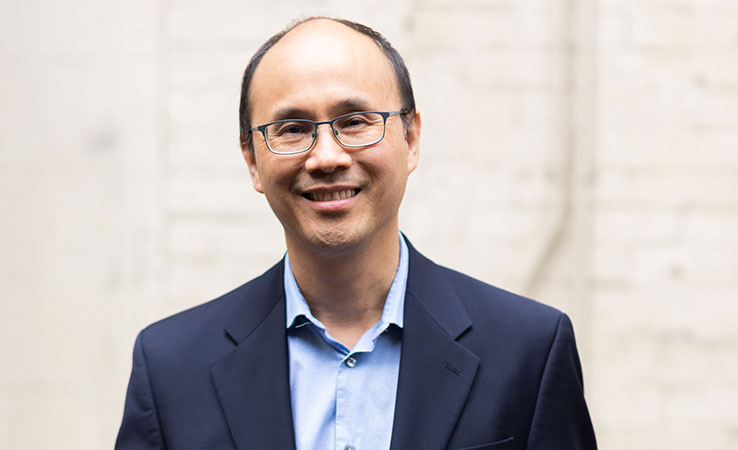
Thank you Dr. Stephen Hwang: Celebrating more than a decade of MAP leadership 

On June 30, 2026, Dr. Stephen Hwang will conclude his tenure as director of St. Michael’s Hospital’s MAP Centre for Urban Health Solutions, Canada’s largest research centre focused on health equity and the social determinants of health. 

A world-renowned scientist and Tier 1 Canada Research Chair in Homelessness, Housing and Health, Dr. Hwang took on this role in 2015 and has now served the maximum of two five-year terms – plus one “bonus year,” as he jokingly calls it (his first term was extended due to the pandemic). 

Although Dr. Hwang is leaving big shoes to fill as director, he isn’t going far. His research program will continue to be based at MAP under his leadership with a great deal of exciting work ahead

Transformative, national impact 

Dr. Hwang’s legacy as MAP director is nothing short of extraordinary. Under his leadership, MAP has more than doubled in size and quintupled in multi-year funding. 

Despite pandemic-era research shutdowns and a major, unexpected change to the centre’s funding model, the centre has transformed from a largely Ontario-focused academic hub to a global leader in developing, implementing and scaling evidence-driven health equity solutions, with impacts that span from local to national and beyond. 

Through it all, Dr. Hwang’s approach has been grounded in his commitment to “servant leadership,” supportive team building and above all, a deep respect for his partners’ and colleagues’ unique perspectives and experiences. 

We talked with Stephen to reflect on his eventful and impactful decade in the role. 

Q: Looking back over the past 11 years, what are some highlights that you’re most proud of? 

When I started in the role, MAP had just lost our core provincial funding. We had to quickly pivot to a philanthropic model, but it wasn’t clear how to do that. Working with the St. Michael’s Foundation and their incredible volunteers to get that first fundraising campaign off the ground, and realizing that there was indeed donor interest with the potential to sustain MAP, was a big moment. It felt like a huge turning point for the organization. 

Our Solutions for Healthy Cities symposia were also major highlights for me. They have all been so inspiring, and great to be together in person. 

I’m thankful and extremely proud of our national Even the Odds partnership with Staples Canada and how it’s grown, thanks to Staples’ leadership and vision. It has pushed MAP to get even more ambitious about our geographic reach and impact, and enabled us to scale our work in ways we could only have dreamed of 10 or 11 years ago. 

Finally, I wouldn’t call it a highlight, but leading the centre through the pandemic was an honour. It was an extremely difficult time, but we pulled together at MAP and pivoted very quickly to fill an urgent need for research on COVID-19 and how to improve access to care and support during lockdowns. 

Q: What’s been the hardest part of the job? 

My first instinct is to always be as egalitarian and non-hierarchical as possible as a leader and to practice servant leadership. However as director, I also had to learn that sometimes a leader must make tough decisions based on their own best judgment. There are some decisions you can’t take a vote on, and also some decisions that not everyone will agree with. In those situations, I reflected on MAP’s and my own values and principles, I thought very carefully about appropriate and fair processes, and I sought the advice of wise counsel. Those things were all very helpful, but it was still something I had to learn to do. 

Also, back to the pandemic – that was definitely hard. Our people at MAP were dealing with so much. For me, oddly, between leading MAP and working as a general internist at the hospital, the most straightforward part of the pandemic was my work taking care of patients with COVID. That part was squarely within my professional experience. At MAP, I had to figure out how to support our people who were struggling in all sorts of different ways, because of other stresses that the pandemic was causing. That part was much more complex. 

Overall though, I have to say, it’s been a really wonderful 11 years. Some of our challenges have moved us forward to a better place. For example, looking back, I really believe that the transition to philanthropic funding made our research better. Many of our donors are leaders in the private sector. They ask us tough questions and challenge us in important and ultimately very positive ways. We were always impact-focused at MAP, but through our dialogue with donors we have had to get crystal clear on exactly how our work is helping people. 

Q: What’s next for you? 

My MAP research program has just launched a major partnership with United Way and the City of Toronto called the Slaight Family Housing Lab. Together, we were extremely fortunate to receive a $25 million gift from Gary Slaight and the Slaight Family Foundation to fund the development of a new, scalable, evidence-based system to move people from streets and encampments into supportive housing. I’m really excited about the potential impact. It’s going to be a huge focus for me in the coming years, and I believe it will lay the groundwork for similar work across the country. 

Leading MAP has been a tremendous honour. I’m so happy to continue to be a part of it.